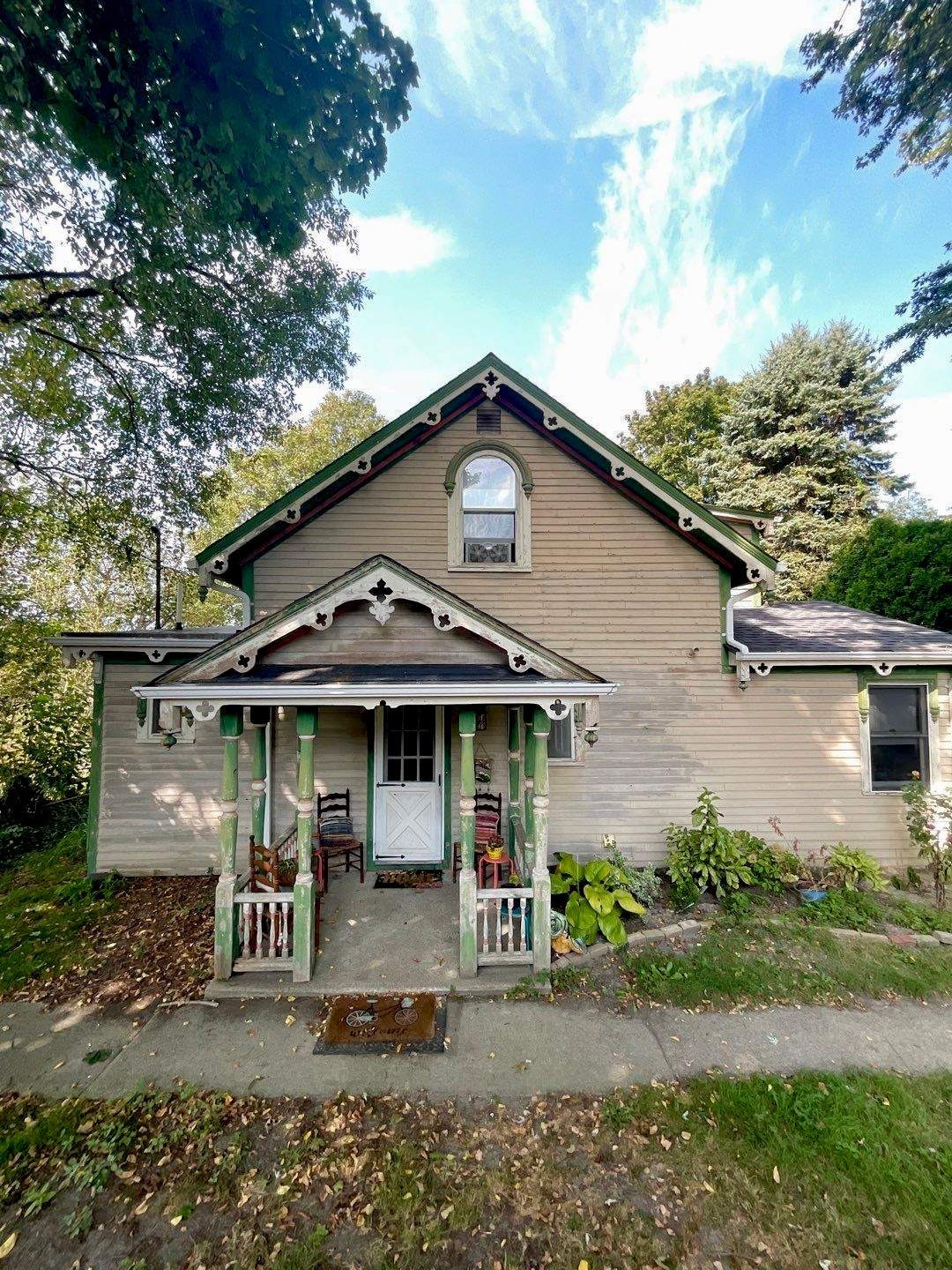
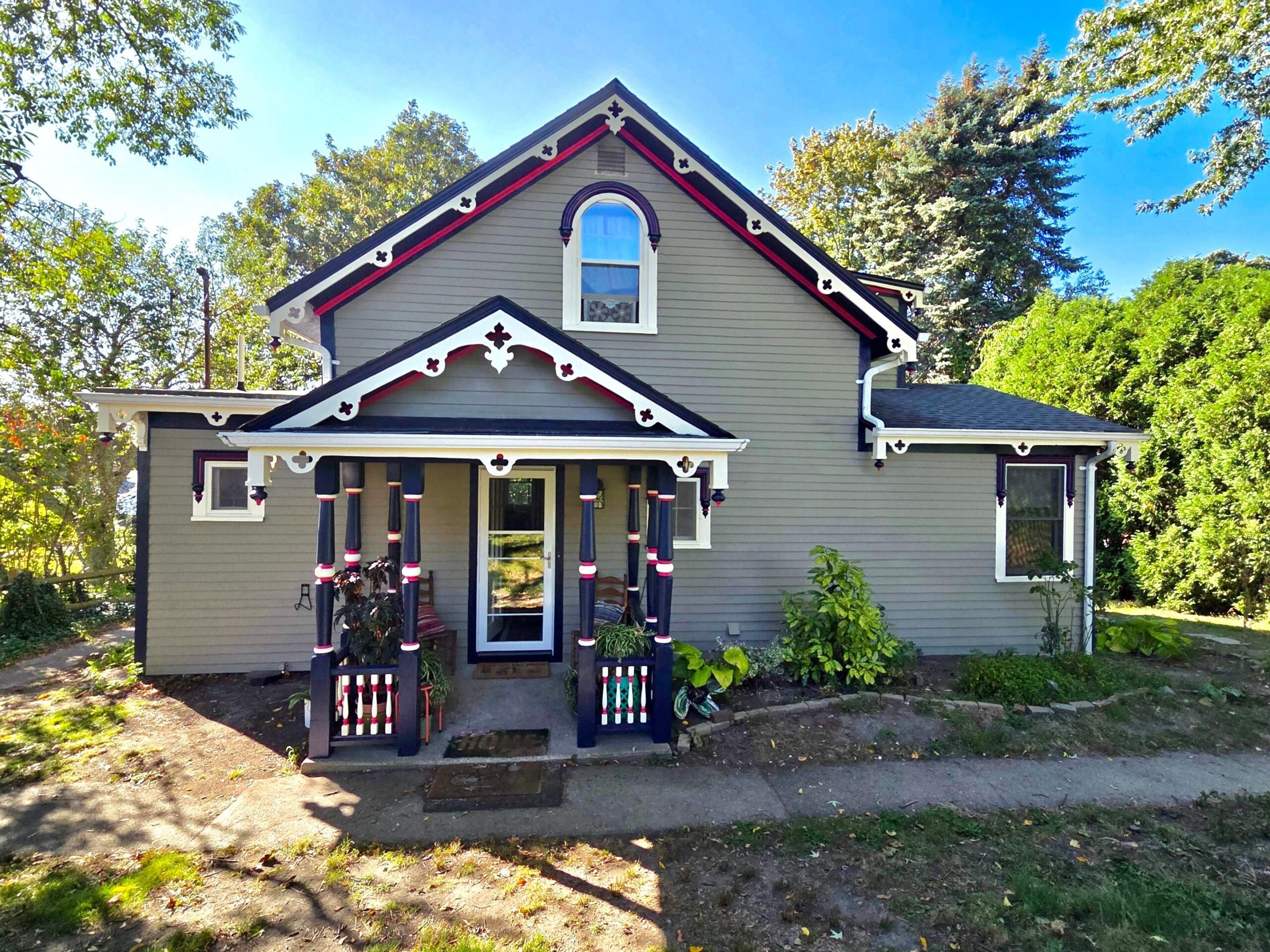
If you own a home on the coast, you’ve probably asked the question at least once: how long does exterior paint last in New England? The honest answer is anywhere from three to ten years, and the range is that wide because the answer depends almost entirely on three things — the preparation, the products, and the weather your home faces every day. Here on Aquidneck Island, where salt air, nor’easters, and humid summers are just part of life, exterior paint takes a beating that homes in milder climates never experience.
The good news is that the right preparation and the right products can push your paint job well beyond that three-year minimum. Below, we’ll break down what actually determines how long your exterior finish lasts and what you can do to protect your investment.
Three factors control exterior paint lifespan more than anything else: surface preparation, paint quality, and environmental exposure. Get all three right, and your home can hold its finish longer. Near the coast, that typically means four to seven years. If your home is further inland, perhaps a few years longer. Miss on any of these important factors, and you could be scraping and repainting in as few as three.
Surface prep means cleaning, scraping, sanding, priming, and repairing any damaged substrate before a single coat of paint goes on. Paint quality refers to the formulation itself: pigment density, binder strength, and resistance to UV radiation and moisture. Environmental exposure is where New England homeowners are at a real disadvantage compared to most of the country.
Understanding how these three factors interact helps you make smarter decisions about exterior painting in Rhode Island, where coastal homeowners face tougher conditions than most of the country.
New England weather is hard on painted surfaces. Temperature swings cause wood siding, trim, and other substrates to expand and contract with the seasons, which stresses the paint film and leads to cracking over time. A single Rhode Island winter can take a home from 20°F to 50°F and back again multiple times in a week.
On Aquidneck Island and throughout Newport County, you’re also dealing with salt air. Airborne salt deposits pull moisture into paint films, which accelerates adhesion loss and causes premature peeling. Add strong UV exposure in summer, ice and snow in winter, and wind-driven rain in every season, and you have an environment that tests exterior coatings year-round.
Homes in Newport and Portsmouth that face the ocean or Narragansett Bay tend to see faster deterioration on their south- and west-facing walls. If you’ve noticed peeling or chalking on one side of your house but not the other, directional weather exposure is almost certainly the reason. This is also why the typical exterior paint lifespan Newport, RI homeowners experience depends so heavily on the prep and product choices their painting contractor makes before the first brush stroke.
Preparation is the single biggest factor in how long any exterior paint job holds up. A premium paint applied over a poorly prepped surface will fail within a few years. A professional-grade paint applied over a properly prepped surface will last significantly longer. The surface underneath is what the paint bonds to, and that bond is only as strong as the prep work that created it.
Thorough exterior prep includes pressure washing to remove dirt, mildew, and chalking old paint. It means hand-scraping and sanding to create a clean, sound surface for primer to bond to. It means caulking gaps, replacing rotted wood, and spot-priming every bare area. On pre-1978 homes, and there are many across Aquidneck Island, proper prep also means safe handling of lead paint under a Lead Hazard Control Firm License.
Bruno Painting has been serving Newport, Portsmouth, and surrounding Rhode Island communities for over 20 years, and the prep standard hasn’t changed: every exterior job gets full preparation before paint goes on. As one homeowner, Donald Cappadona, shared in a Google review: “Raphael was my painting supervisor who treated my house as if it was his own. Every day the work area was cleaned, including vacuuming the grounds for paint chips!” That level of care during prep and throughout the project is what separates a paint job that lasts from one that doesn’t.
Paint quality matters almost as much as prep. Not all exterior paints are formulated to handle the demands of coastal New England weather, and the difference between a budget product and a professional-grade one shows up within the first few years on the wall.
Benjamin Moore is the primary paint Bruno Painting uses on the majority of exterior projects. Its exterior lines offer strong durability, excellent color retention, and proven performance in demanding climates. For most Rhode Island homeowners, Benjamin Moore delivers the coverage and weather resistance you need to get the most out of a well-prepped surface.
For superior finish and longevity, we only use high quality paints from Benjamin Moore and Fine Paints of Europe, an imported paint as the name implies. FPE products are imported from the Netherlands, contain zero fillers, and use higher pigment concentrations than most domestic paints. With proper preparation, Fine Paints of Europe coatings are expected to last eight to ten years, a remarkable lifespan in any climate and especially meaningful along the New England coast. Bruno Painting is certified to apply Fine Paints of Europe products.
Even with thorough prep and quality products, every exterior paint job eventually reaches the end of its useful life. Catching the early warning signs lets you repaint before moisture damage reaches the wood or substrate underneath.
Watch for these indicators on your home’s exterior:
If you notice any of these on your home, it’s time to schedule an estimate rather than waiting another season. Catching deterioration early means less prep work, less wood repair, and a longer-lasting result on the next coat.